
Call us now :08071792560
 Send Inquiry
 Send Inquiry
blood collection tube
Price 03 INR/ Piece
MOQ : 1500 Pieces
blood collection tube Specification
- Size
- Standard sizes
- Wall Mounted
- No
- Portable
- Yes
- Real-Time Operation
- No
- Operation Mode
- Manual
- Accuracy
- Accurate blood volume collection
- Noise Level
- Silent
- Material
- Plastic (Polypropylene/Polyethylene) or Glass
- Operating Type
- Manual
- Technology
- Vacuum blood collection
- Attributes
- Sterile, disposable, leak-proof
- Use
- Blood specimen collection and storage
- Shape
- Cylindrical
- Equipment Type
- Blood Collection Tube
- Condition
- New
- Dimension (L*W*H)
- Typically 13mm x 75mm or 13mm x 100mm
- Application
- Clinical, laboratory, hospital use
- Capacity
- 2 ml, 3 ml, 5 ml, 6 ml, 10 ml, 15 ml
- Storage Instructions
- Store in a cool, dry place away from direct sunlight
- Color
- Transparent or colored cap (red, purple, blue, yellow, green, black, gray)
- Suitable For Use
- Blood sample collection
- Set Contains
- Single or multiple tubes per pack
- Function
- Collect and contain blood specimens
- Feature
- Pre-evacuated, safety cap, clear labeling
- Cap Type
- Safety Cap / Snap Cap
- Disposability
- Single Use Only
- User Instruction
- Do not use if packaging is damaged
- Sterility
- Gamma Sterilized
- Transportation
- Lightweight and break-resistant
- Additive Type
- With or Without Additive (EDTA, Clot Activator, Sodium Citrate, etc.)
- Latex Free
- Yes
- Shelf Life
- Up to 24 months
- Resistance
- Chemical and Temperature Resistant
- Closure Type
- Rubber Stopper (Color Coded)
blood collection tube Trade Information
- Minimum Order Quantity
- 1500 Pieces
- Supply Ability
- 1000 Pieces Per Day
- Delivery Time
- 7 Days
About blood collection tube
Blood collection tubes containing sodium citrate are used for coagulation studies. Clotted blood is obtained in blood collection tubes that contain a silicon coating or a serum separator. The blood collected into these tubes is allowed to clot for 15 to 30 minutes prior to centrifugation.Versatile Additive Options and Color Coding
These blood collection tubes are equipped with color-coded rubber stoppers and multiple additive options, such as EDTA, Clot Activator, and Sodium Citrate. The color codes support quick visual identification, while the additive variety meets different diagnostic requirements in clinical, laboratory, and hospital environments.
Optimized Sterility and Safety Features
Gamma sterilization ensures that each tube is sterile and safe for patient use. The design includes a latex-free composition and a leak-proof safety or snap cap, reducing exposure risks. Every tube is intended for single use, promoting best practices for infection control.
Durability and Reliable Transport
Constructed from robust plastic or glass, these tubes are lightweight and break-resistant, making them suitable for secure specimen transportation. Their chemical and temperature resistance preserves sample integrity, offering dependable performance during collection and storage.
FAQs of blood collection tube:
Q: How should I properly use the blood collection tube to ensure accurate specimen collection?
A: Choose the appropriate tube with the correct colored rubber stopper and additive for your diagnostic purpose. Use aseptic technique during venipuncture to fill the tube to its indicated volume; the pre-evacuated design ensures accurate collection. Always verify the label and do not use the tube if the packaging is damaged.Q: What are the benefits of pre-evacuated, color-coded tubes in clinical practice?
A: Pre-evacuated tubes simplify the blood draw process by automatically drawing the precise volume required, reducing handling time and errors. The color-coded stoppers provide instant identification of additives, streamlining workflow and minimizing cross-contamination in busy settings.Q: When should I discard the blood collection tube, and can it be reused?
A: The tube is intended for single-use only and must be properly disposed of after collecting a specimen. Reusing the tube is not safe, as it compromises sterility and may lead to contamination or inaccurate results.Q: Where is the ideal storage location for unused blood collection tubes?
A: Store tubes in a cool, dry place away from direct sunlight to preserve sterility and the integrity of the tubes additive. Avoid exposure to extreme temperatures or moisture, and always check the shelf life, which is up to 24 months from the manufacturing date.Q: What process ensures the sterility and safety of these blood collection tubes?
A: Each tube undergoes gamma sterilization, which eliminates pathogens and ensures a sterile, ready-to-use product. The tubes are also latex-free to prevent allergic reactions, and the safety or snap cap further minimizes risk of exposure or leaks during use and transportation.Q: How does the tubes material contribute to its durability and specimen safety during transport?
A: Manufactured from polypropylene, polyethylene, or glass, the tubes are lightweight yet highly resistant to breakage, chemicals, and temperature fluctuations. This ensures the blood specimen remains uncontaminated and intact throughout collection, handling, and transport.
Tell us about your requirement

Price:
Quantity
Select Unit
- 50
- 100
- 200
- 250
- 500
- 1000+
Additional detail
Mobile number
Email

More Products in urology Category

Urine collection container
Price 03 INR / Piece
Minimum Order Quantity : 1000 Pieces
Size : Standard
Material : Polypropylene (PP) plastic
Storage Instructions : Store in a dry, cool place, away from direct sunlight
Equipment Type : Urine Collection Container
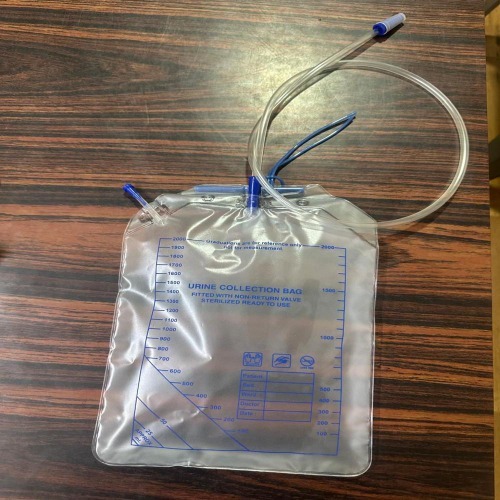
urine bag
Price 11.0 INR / Piece
Minimum Order Quantity : 500 Pieces
Size : 2000 ML
Material : PLASTIC
Storage Instructions : STORE IN ROOM TEMPERATURE
Equipment Type : DISPOSABLE URINE BAG

 Send Inquiry
Our Products
- bandages
- Examination Gloves
- Transfusion
- Orthopadic Product
- Respiratory Products
- Handloom Bandage Cloth
- I V INFUSION SET
- Gamjee Roll
- Absorbent Gauze Cloth
- Surgical Tape
- Urine Bag
- blood transfusion set
- ELASTIC ADHESIVE BANDAGE
- Cotton Crepe Bandage
- MICROPOROUS SURGICAL PAPER TAPE
- GYNECOLOGY PRODUCTS
- TRANSFUISON
- UROLOGY
- STERILE SURGICAL GLOVES
- Non Woven Products
- TRANSFUISONS
- UROLOGYS
- GENERAL SURGERYS
- other product
- urology

H-340, Sumel Business Park-6, Nr. Dudheshwar Circle, Shahibaug, Ahmedabad - 380004, Gujarat, India
 : 08160338806

Mr Jaydip
(General Manager)
Mobile :08071792560
 Send Inquiry
 Send SMS
Developed and Managed by Infocom Network Private Limited.
