
Call us now :08045475359
 Send Inquiry
 Send Inquiry
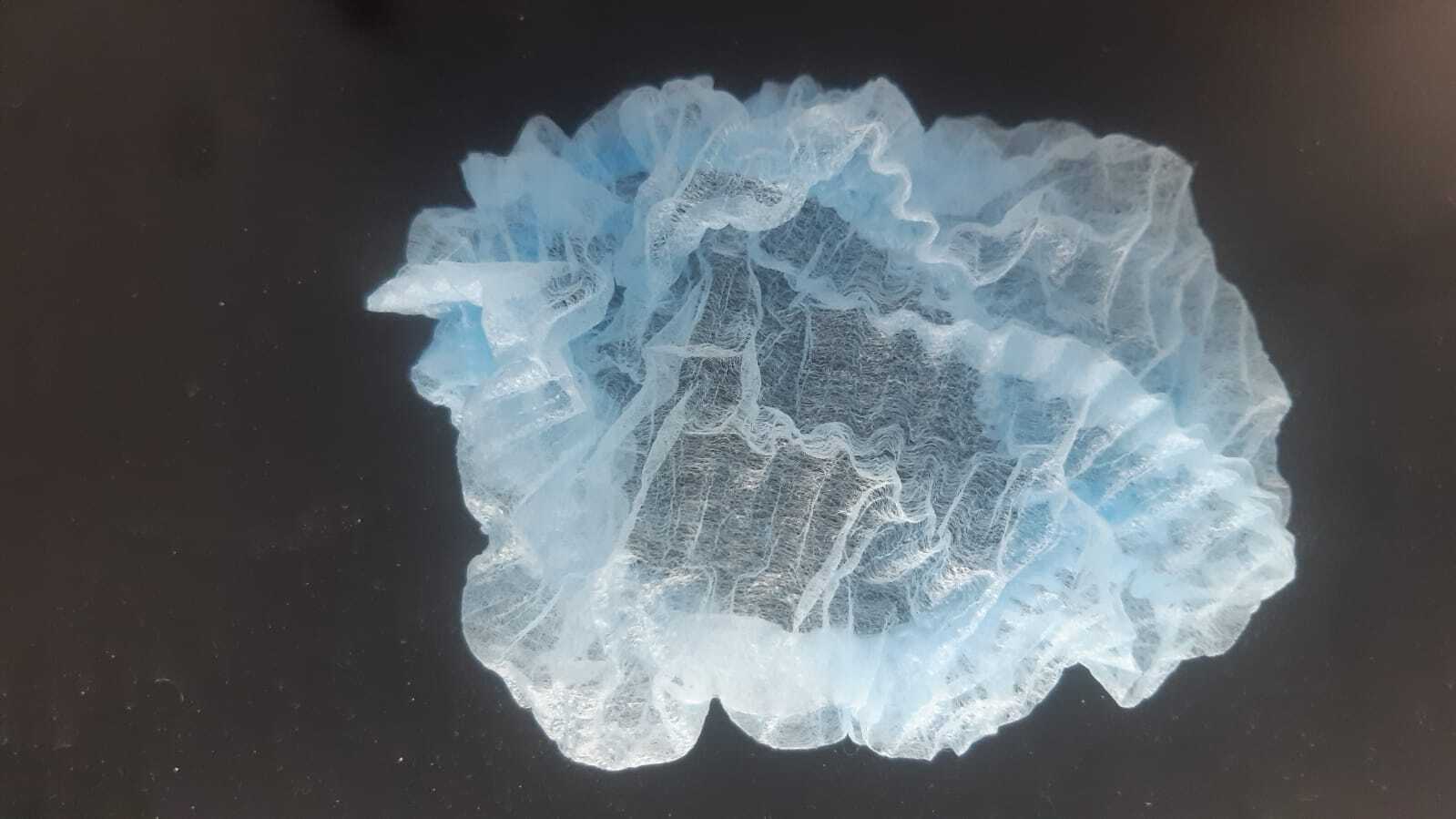
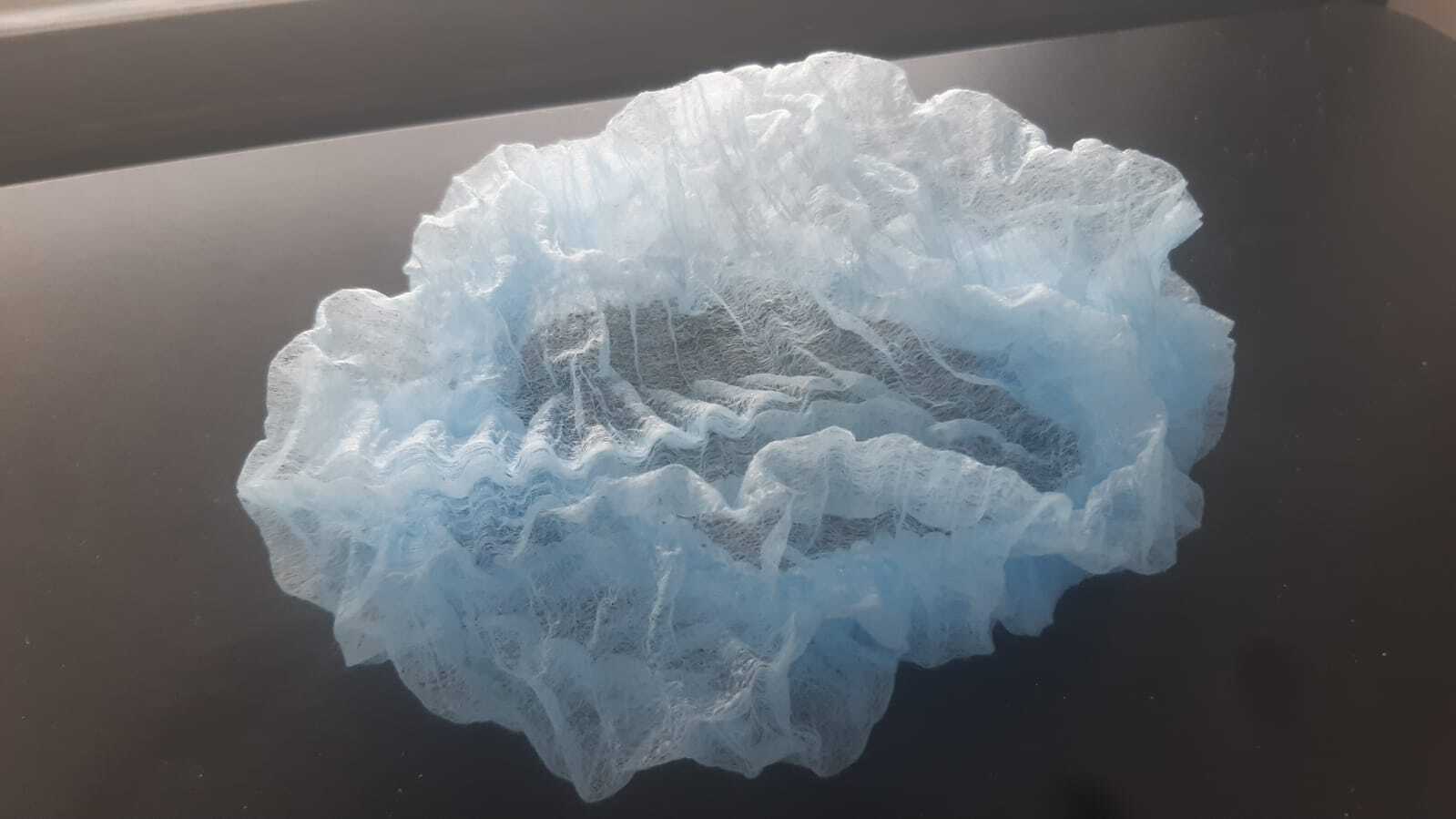
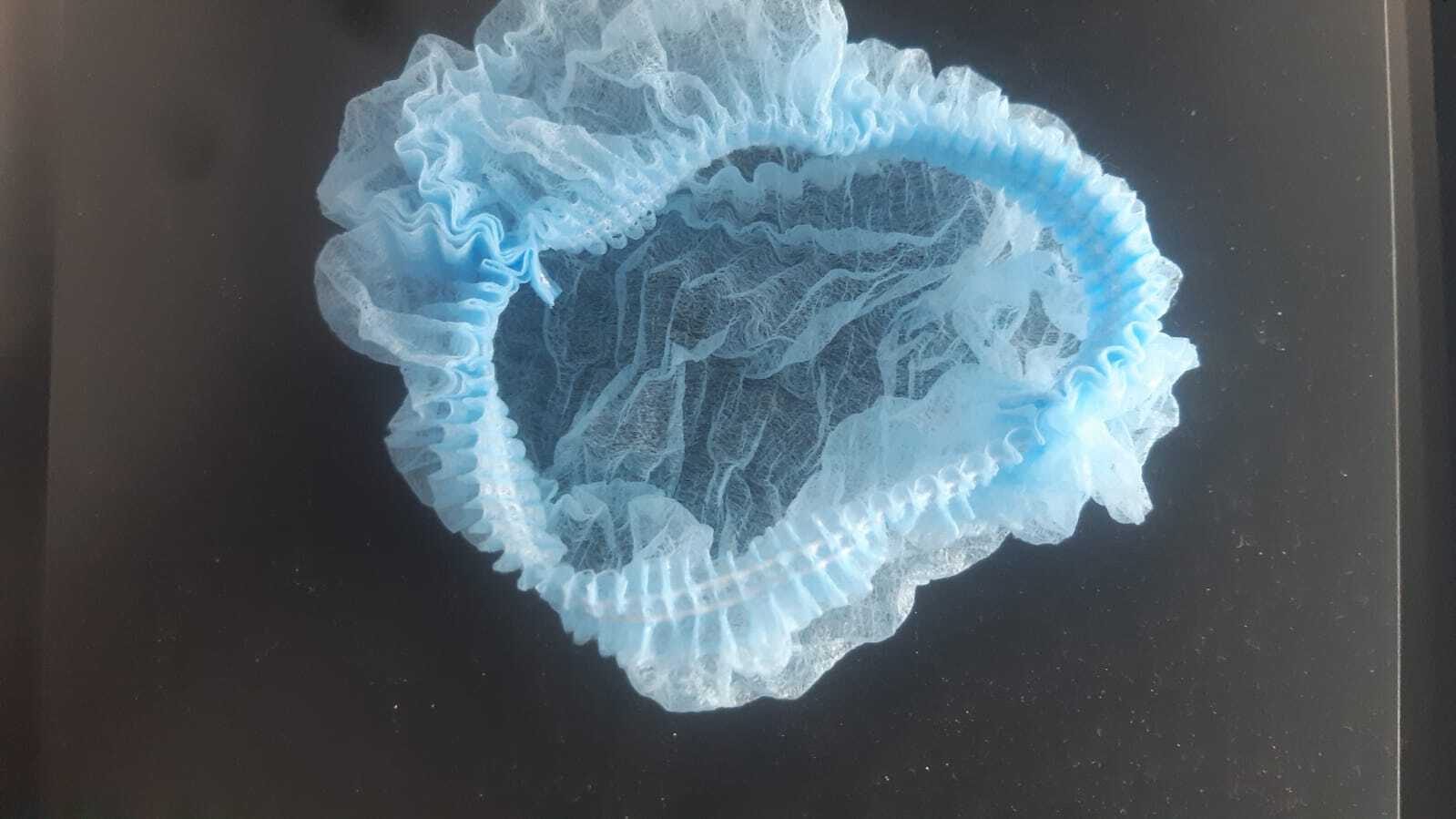
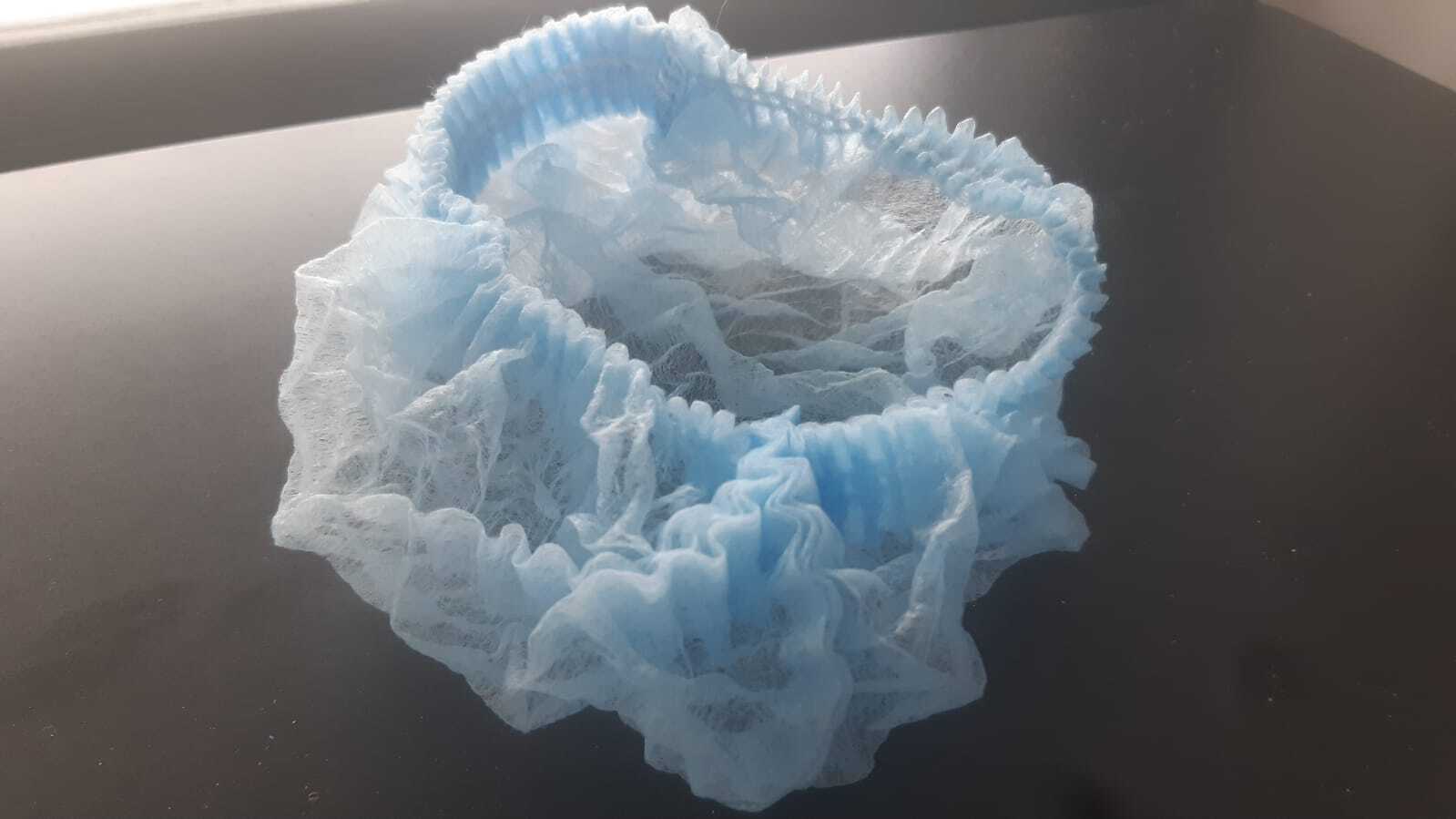
BOUFFANT CAP
Price 0.50 INR/ Piece
MOQ : 10000 Pieces
BOUFFANT CAP Specification
- Storage Instructions
- Store in a cool, dry place away from direct sunlight
- Usage & Applications
- Ideal for hospital, clinic, laboratory, food processing, and hygiene environments
- Shelf Life
- 5 Years
- Sterile
- Non-Sterile
- Weight
- Lightweight (2-4g per cap)
- Set Contains
- 100 pieces per pack / bag
- Size
- Universal (fits all sizes)
- Dressing Type
- Surgical Cap
- Disposable Type
- Single-use
- Material
- Non-woven Polypropylene
- Style
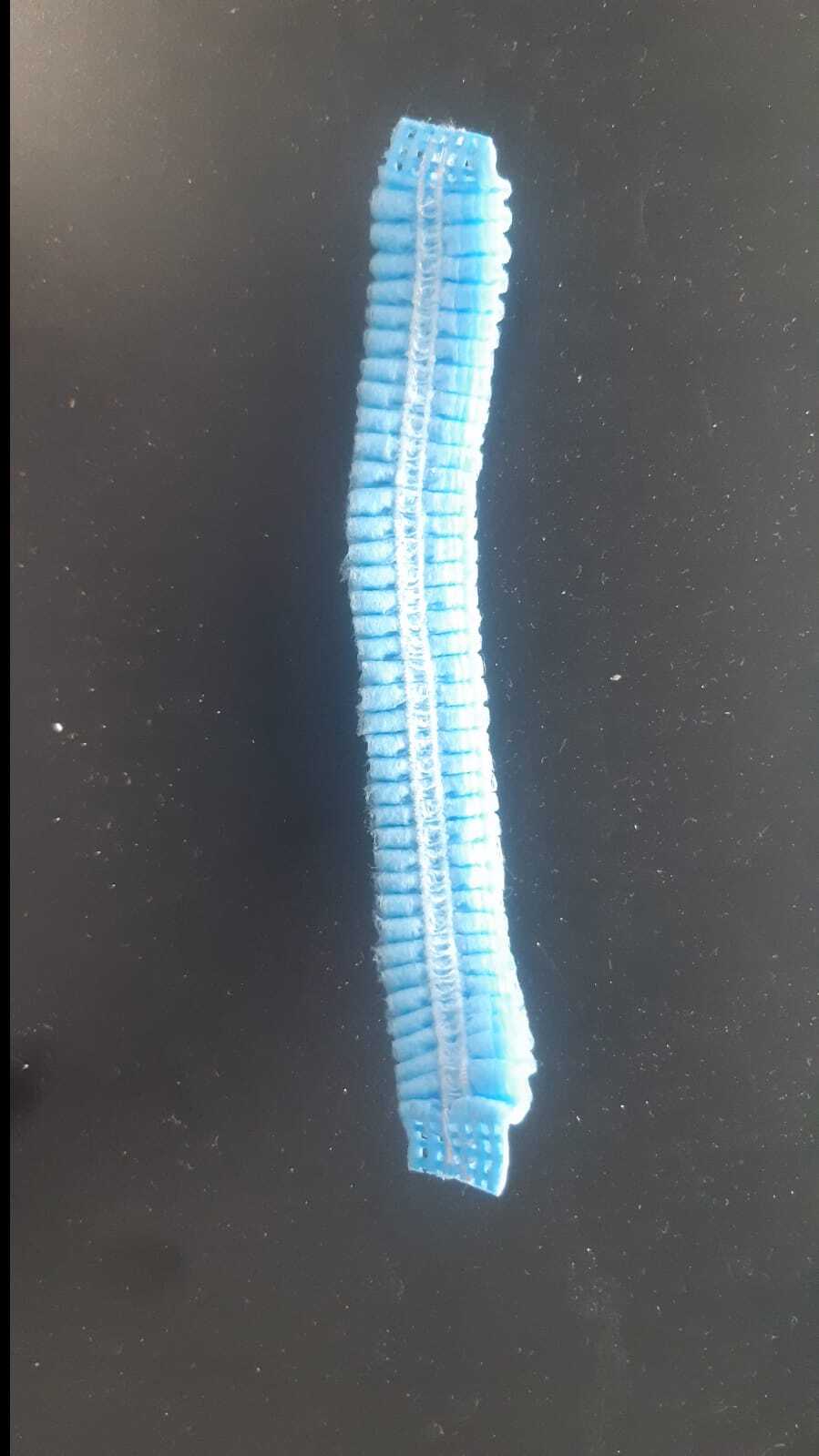
- Pleated / Gathered
- Cuff
- Elastic
- Disposable
- Yes
- Recyclable
- Yes, as per local guidelines
- Sterilized
- No
- Waterproof
- No
- Shape
- Round / Bouffant
- Length
- Standard (18-24 inches as per requirement)
- Width
- Standard Fit
- Color
- Blue (other colors available)
- Grade
- Medical Grade
- Eco-Friendly
- Yes, biodegradable and recyclable
- Tear Resistance
- Good
- Usage Duration
- Single shift
- Allergen Content
- Latex-Free
- Odor
- Odorless
- Breathability
- High, allows easy airflow
- Closure Type
- Elastic all around
- Packaging Type
- Polybag / Carton
BOUFFANT CAP Trade Information
- Minimum Order Quantity
- 10000 Pieces
- FOB Port
- AHMEDABAD
- Supply Ability
- 10000 Pieces Per Day
- Delivery Time
- 1 Days
- Sample Available
- Yes
- Main Export Market(s)
- Asia, Australia, Central America, North America, South America, Eastern Europe, Western Europe, Middle East
- Main Domestic Market
- All India
About BOUFFANT CAP
Bouffant caps differ from surgical caps and are usually preferred for hygiene andsafety purposes to minimize contamination. Bouffant caps are designed to provideeffective protection to hair from fluids and other contaminants. Standard bouffantcaps are made up of non woven polypropylene material and available in one-layerbreathable spunbond fabric, as well as three-layer SMS (spunbond/meltblown/spunbond) fabric. Foodservice outlets and cleanroom manufacturing facilities arethe prominent end-users of bouffant caps, followed by the healthcare industry. Thegrowing concern for hygiene at work is anticipated to boost the demand fordisposable bouffant caps throughout the forecast period. Bouffant caps areattributed to be one of the prominent segments in the clean room consumablesmarket. Bouffant cap colors are standardized by different authorities as per the areaof application.USES & MARKEtBuoffant cap a loose cap, so called because of its puffy shape, typically securedround the head with an elastic, and frequently used in cleanrooms, food service,surgeries, shower and other settings to contain loose hair.The demand for bouffant caps is attributed to boost in the next 10 years owing totheir adoption in surgical applications instead of skull caps
Eco-Friendly and Comfortable Protection
Crafted from biodegradable, recyclable non-woven polypropylene, these bouffant caps offer exceptional breathability and comfort while prioritizing sustainable disposal. The latex-free material and odorless design cater to sensitive users, ensuring safety in medical and hygiene-conscious industries. Lightweight yet sturdy, each cap is suitable for a single shift and provides a round, universal fit for enhanced ease of use.
Secure, Universal Fit for Professional Environments
With an elastic closure and pleated style, these bouffant caps fit any head size securely, making them ideal for diverse environments like hospitals, clinics, laboratories, and food processing units. Their medical-grade quality and good tear resistance provide reliable protection during demanding tasks, while their blue color and other available options align with industry standards.
FAQ's of BOUFFANT CAP:
Q: How should the bouffant caps be disposed of after use?
A: Each bouffant cap is designed for single-shift, single-use application. After use, they should be disposed of in accordance with local recycling and biodegradable waste guidelines, as the caps are both recyclable and biodegradable.Q: What benefits does the non-woven polypropylene material provide?
A: Non-woven polypropylene ensures high breathability, lightweight comfort, and good tear resistance, making it suitable for extended wear. Moreover, the material is latex-free and eco-friendly, minimizing allergy risks and environmental impact.Q: When is it recommended to wear a bouffant cap?
A: Bouffant caps are recommended during medical procedures, laboratory work, food processing, and any setting where hygiene and contamination control are essential. They are tailored for single-shift or procedural use and should be replaced after each use.Q: Where can these bouffant caps be used?
A: These caps are ideal for hospitals, clinics, laboratories, food processing plants, and general hygiene environments. Their universal fit and medical-grade quality suit a variety of professional settings.Q: What is the process for ensuring a proper fit and maximum protection?
A: To ensure optimal protection, gently stretch the elastic edge and position the cap over the hair, allowing it to sit comfortably with all sides fully covered. The pleated design expands for complete coverage, and the elastic cuff secures the cap to prevent slippage.Q: Are these bouffant caps sterilized or waterproof?
A: No, the bouffant caps are non-sterile and not waterproof. They offer high breathability for user comfort but are intended for environments where these specific features are not required.Q: What is the shelf life and storage recommendation for these bouffant caps?
A: The shelf life is five years when stored in a cool, dry place away from direct sunlight, ensuring the material maintains its integrity until use.
Tell us about your requirement

Price:
Quantity
Select Unit
- 50
- 100
- 200
- 250
- 500
- 1000+
Additional detail
Mobile number
Email


 Send Inquiry
Our Products
- bandages
- Examination Gloves
- Transfusion
- Orthopadic Product
- Respiratory Products
- Handloom Bandage Cloth
- I V INFUSION SET
- Gamjee Roll
- Absorbent Gauze Cloth
- Surgical Tape
- Urine Bag
- blood transfusion set
- ELASTIC ADHESIVE BANDAGE
- Cotton Crepe Bandage
- MICROPOROUS SURGICAL PAPER TAPE
- GYNECOLOGY PRODUCTS
- TRANSFUISON
- UROLOGY
- STERILE SURGICAL GLOVES
- Non Woven Products
- TRANSFUISONS
- UROLOGYS
- GENERAL SURGERYS
- other product
- urology

H-340, Sumel Business Park-6, Nr. Dudheshwar Circle, Shahibaug, Ahmedabad - 380004, Gujarat, India
 : 08160338806

Mr Jaydip
(General Manager)
Mobile :08045475359
 Send Inquiry
 Send SMS
Developed and Managed by Infocom Network Private Limited.
